



In previous posts over the years I’ve shared the FOUR PILLARS OF PRODUCTIVITY – in essence the four cornerstone ingredients for productivity and goal achieving. These were introduced to me several years ago and I’ve been employing them each week since in my property journey to set and work through mini goals that contribute to the bigger ones.
For anyone looking for a quick reminder, the Four Pillars are:
This week feels like an appropriate time to share a reminder of the Fifth, and counterintuitive, Pillar of Productivity. This crucial and often overlooked contributor to productivity is…..
PLAY
It’s fitting because I’ve just spent a week being fully immersed in a fantastic family holiday and, therefore, disconnected from emails and busyness.
No matter what our age, we all have an inner child that enjoys PLAY, and it is actually counterproductive to ignore that. As I’ve gradually come to learn from one of my long time mentors, it’s super important that we don’t try to optimise every minute of every day. You’ll know if you fall into this trap of listening to podcasts whenever you move/travel, trying to multitask, and attempting to push for every minute of your day to be optimised for maximum business output and personal growth.
If you can relate to that at all, I get it. I’m the same. We are only trying to become the best version of ourselves. Indeed that’s my highest value.
However, as I mentioned, I’ve gradually learned from Peter that play is important too, and actually a key part of keeping us productive. He showed me that ‘the latest science has actually proven that Playing – like a child – is a revolutionary brain hack that stimulates your neurological growth*. It also unleashes powerful focus and motivation.’
[*Dr Stuart Brown has devoted his career to a meta-analysis of “Play” research in humans and animals, by sociologists, biologists, psychologists and neurologists. He found (among other things) that Play – in both kids and adults – directly correlates with increased brain neuron density and executive function. Play literally makes you smarter.]
So, it’s actually “optimal” to not always be optimised.
I’ve learned that it’s crucial to allow yourself some time regularly for unstructured, non-improving, joyful activity. The kind of thing that’s innately interesting, where you lose track of time AND lose your sense of self. The kind of thing that your seven year old self would’ve loved to do.
So what’s the benefit of all this and why is making time for play so important for productivity?
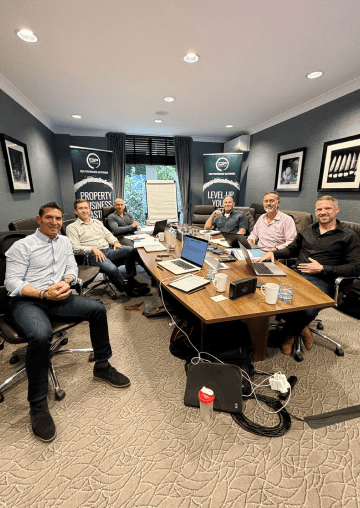
I am returning home excited and energised about beginning a new week of incremental progress with our SA and development businesses. This week ahead is a particularly exciting one as Chris and I have 4 days of masterminding with awesome property people.
In closing, I’d encourage you all to be intentional about scheduling time for PLAY, even better, let us know what you’re planning to do.
Tsen Warton is a property investor and entrepreneur who started his journey in 2006. After building a successful portfolio while working full-time, he went all-in on property in 2014. Today, he helps entrepreneurs grow their investments in a way that supports the life they want to live.
Our twelve-month Mastermind could be the unfair advantage in your corner.